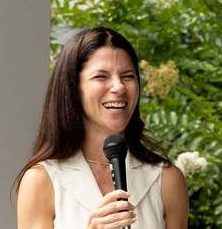
Meredith Burns
Founder, The Beautiful Brain
Chief rabble-rouser: turned 15 years of caregiving, the loss of 3 parents and a career in public policy into a movement.
The Big Bold Beautiful Brain / Issue No. 1 / Fall 2026
A quarterly on women’s brain health: the science without the dissertation, the policy without the jargon, and the people turning both into action.
If you read nothing else
Coming up
This weekThe Longitudinal Menopause ProjectYet only about 3% of NIH’s $3 billion in Alzheimer’s and dementia research funding goes to research also coded as women’s health.1 This issue is about changing that.
Four times a year: the science, the policy and the people, in one quick read. Free, and you can unsubscribe anytime.

Our vision
“My obsession was actually to just do it and everything else was secondary.”Debbie Harry
This is what doing it looks like. Women asking the necessary questions, funding and doing the groundbreaking research, demanding answers, and making sex-based differences a keystone of the conversation.
We lead, and we bring our people with us: researchers, friends, partners, sons, and the men who know this matters to them too. Men make up about 72% of Congress. If we want the science funded, we need guys in the band too. We have some great ones at the helm, so we are working the system from the inside out and from the outside in.
Here each quarter: what researchers are asking, who is moving the work forward, what still needs funding, and what it means for your own life. No junk. No miracle claims.
Last month / The Beautiful Brain
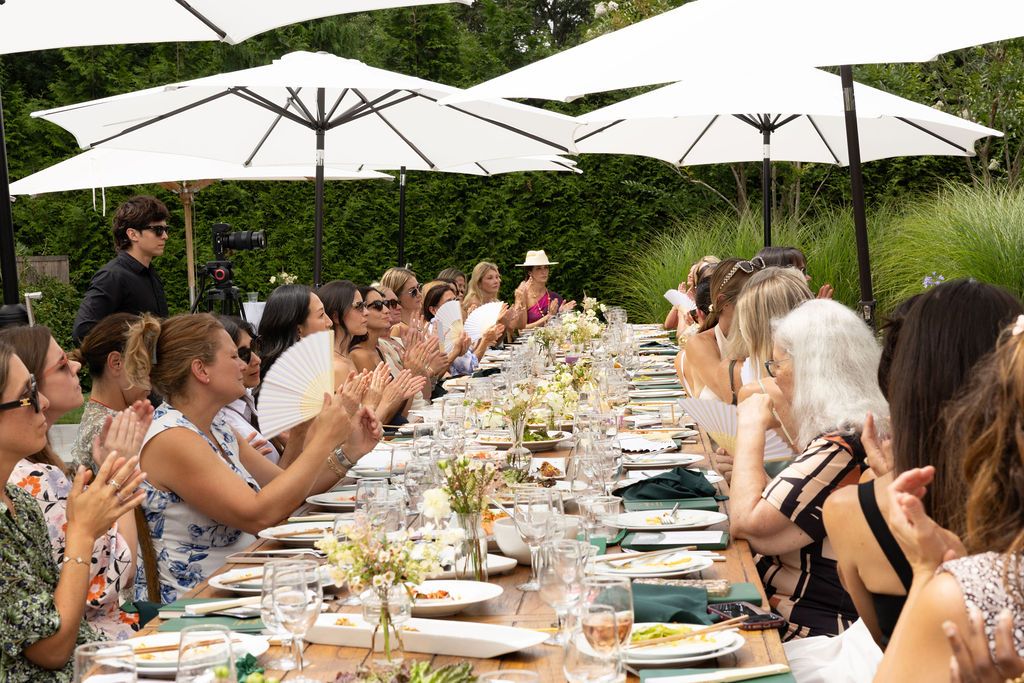
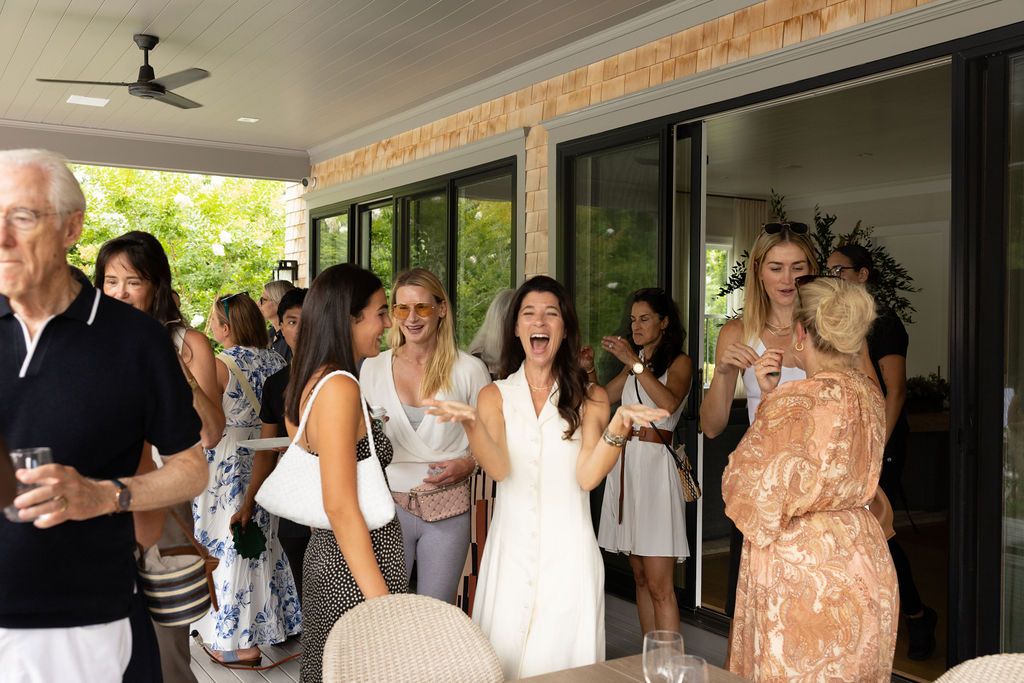
We learned, laughed, cried, and left knowing it’s time to level up the 3 percent of NIH Alzheimer’s funding that goes to research also coded as women’s health research.1 Watch the recap ›
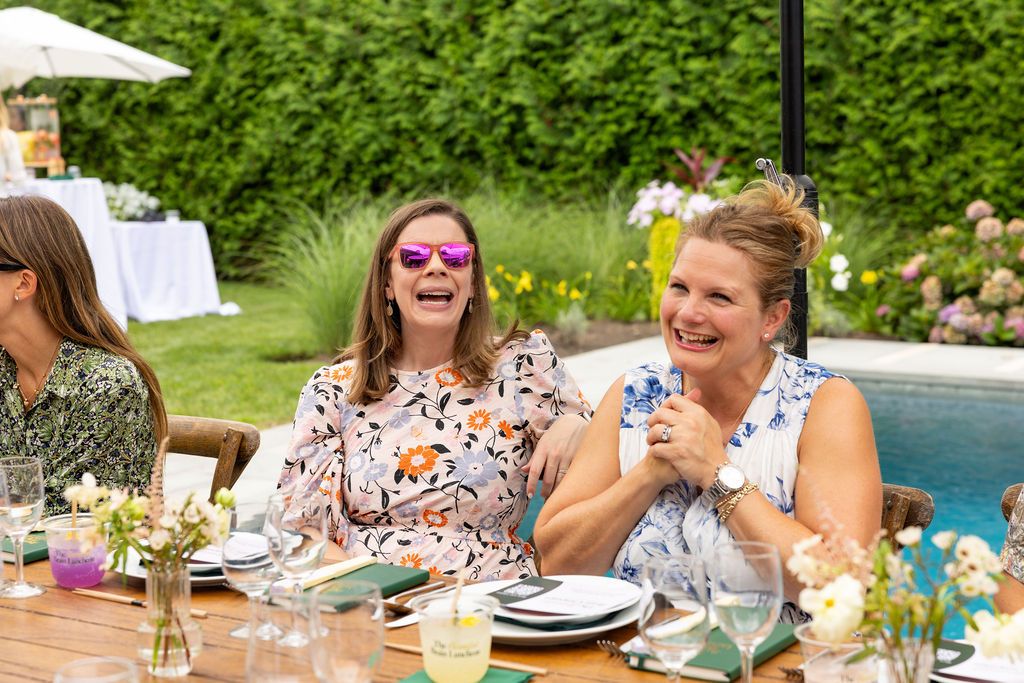
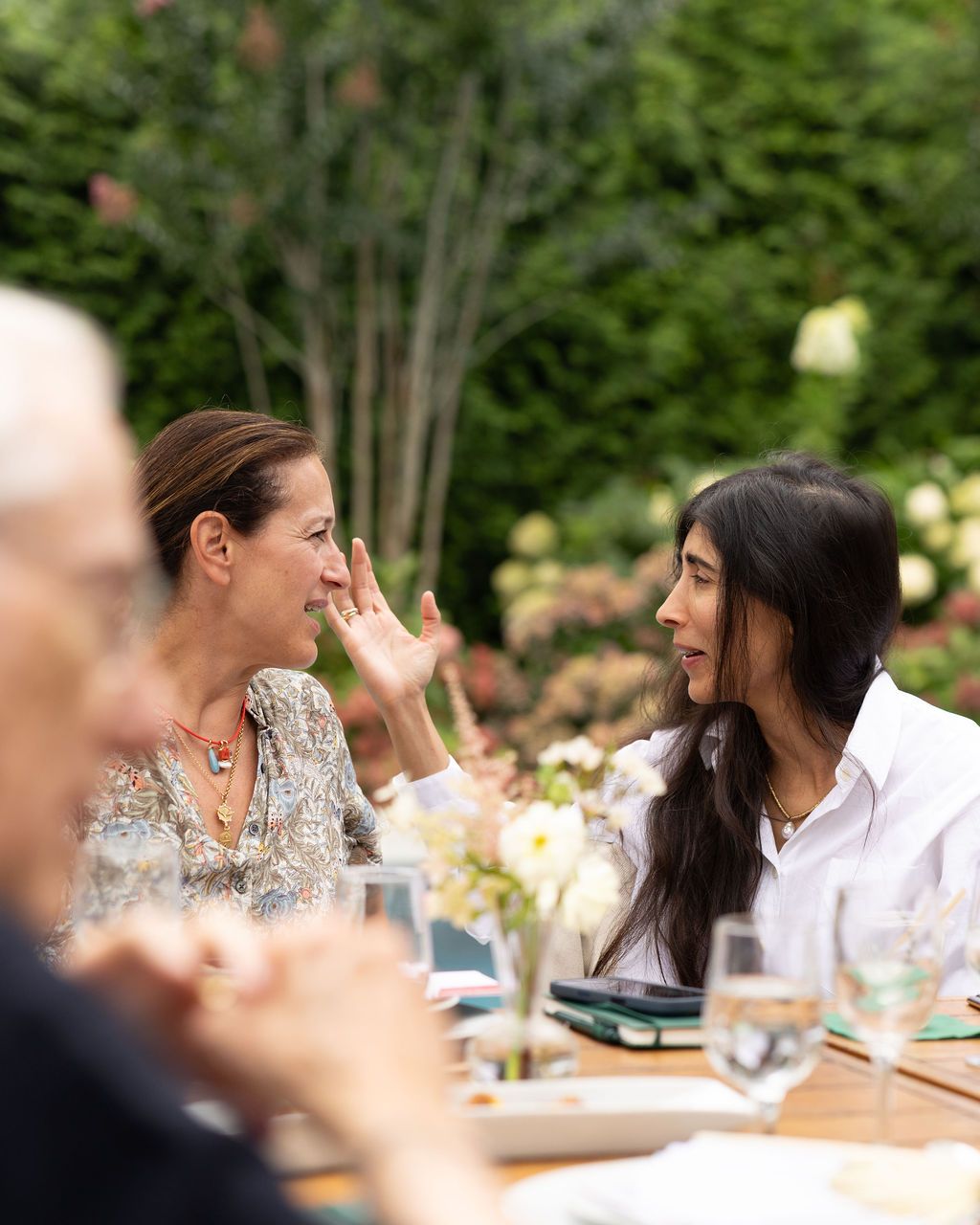
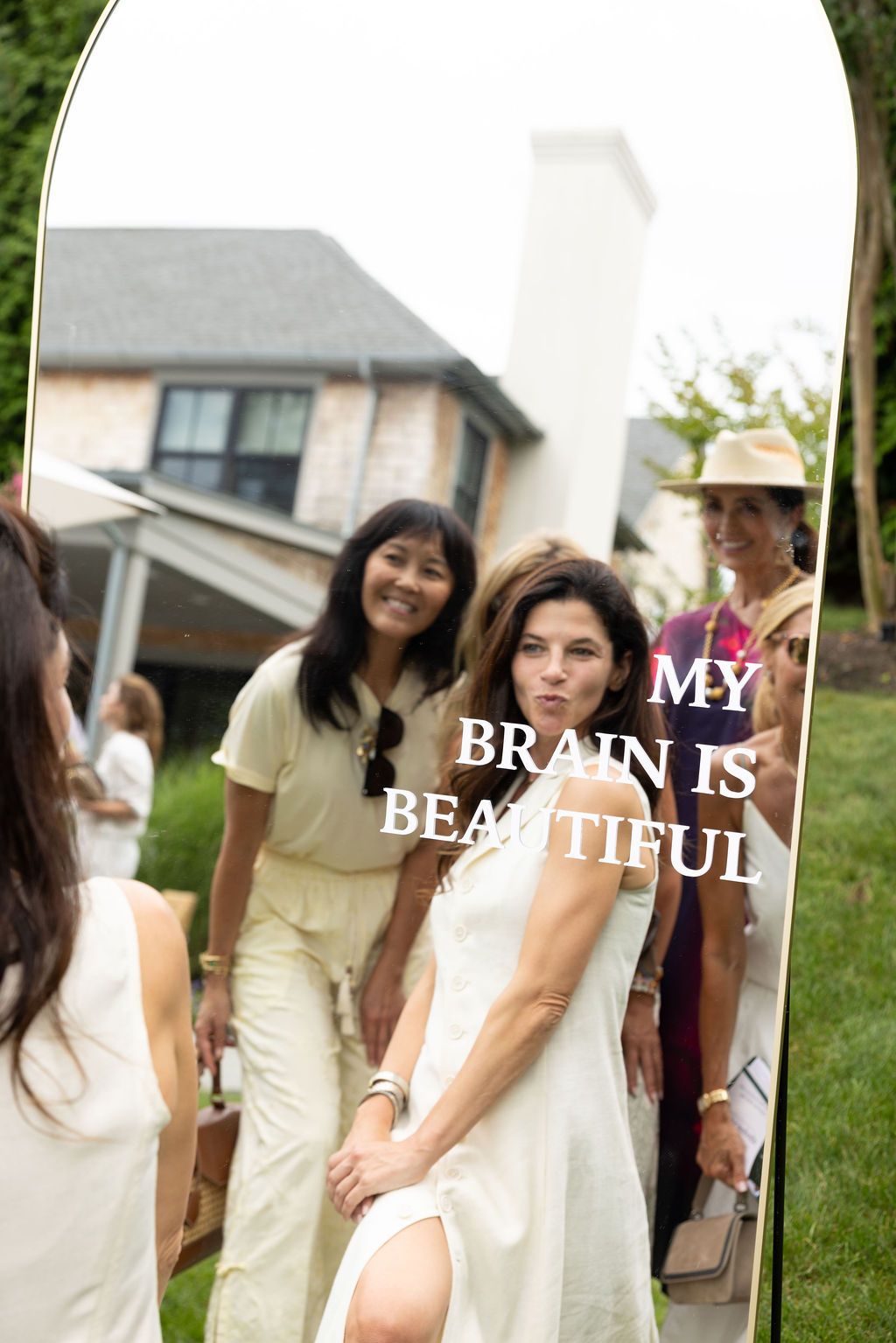
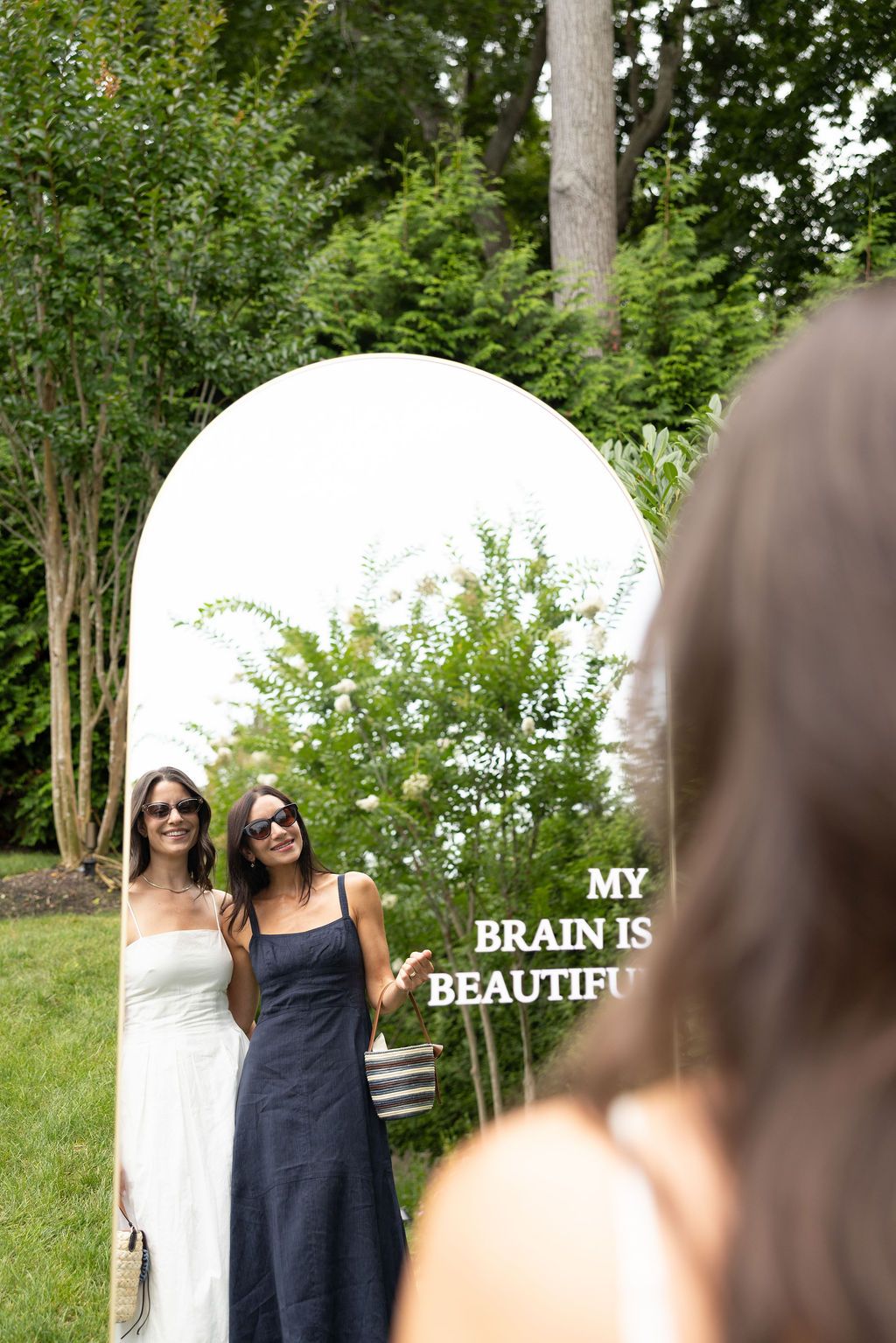
In the “My Brain Is Beautiful” mirror: Meredith with Patricia Reed, Matriark, and Claudia Romo Edelman, Sotol Romo (left); Stephanie Michaan and Alex McGruder (right).
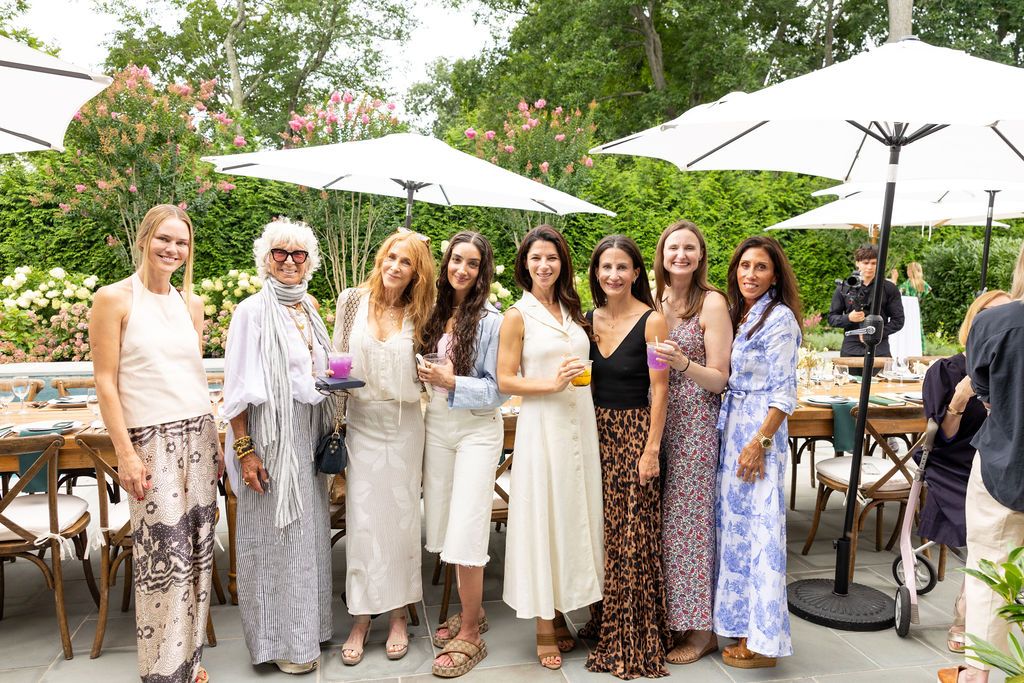
A few beautiful brainiacs
Catherine Patterson, UsAgainstAlzheimer’s · Jenna Bussman Weiss, Tesser Capital · Adriana Biasi, Braga Biasi Design · Carla Rae Prober, Carlarae Designs · Christina Galesi, Sotheby’s International Realty · Julia Zingaro · Meredith Burns, The Beautiful Brain · Katherine Forse · Dr. Claire Clelland, UCSF · Tracy Delorio · Valerie Estess, Project ALS · Andrea Grover, Guild Hall · Sabrina Mallick, Sunset Ventures · Katy Brodsky Falco, Foundation for Women’s Health
Photos courtesy of Ana Gambuto. Names not in photo order.
In NYC / UNGA81
UsAgainstAlzheimer’s brought George Vradenburg, Meryl Comer and Dr. Sandra Bond Chapman of the Center for BrainHealth to a small Beautiful Brain lunch in New York. Dr. Chapman was in town to speak on the Brain Health Blueprint panel at Brain Days during UNGA81. We talked science, policy, and how interested women can help move both. I loved how specific it got.
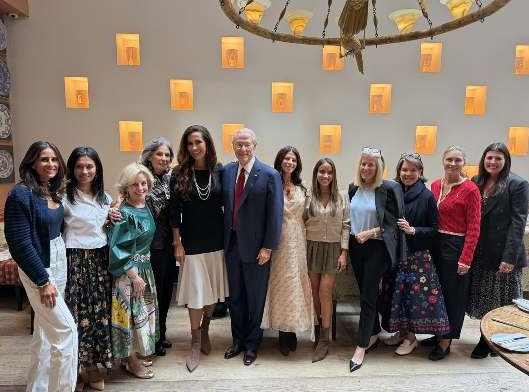
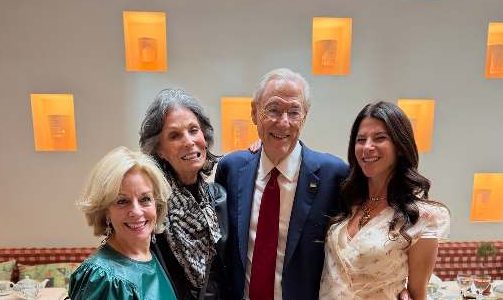
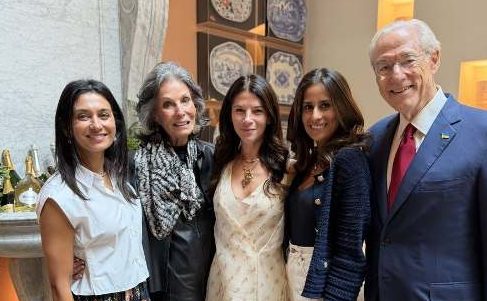
Group photo, left to right.
The science / Your campaign at work
The roadmap
$100K fully funds Dr. Claire Clelland’s delivery-mapping study at UCSF. 49 donors got us there. Thank you.
Earlier detection for every family, and a fairer share of NIH research funding for women. Gifts for this work go directly to UsAgainstAlzheimer’s, not through The Beautiful Brain. Give to UsAgainstAlzheimer’s ›
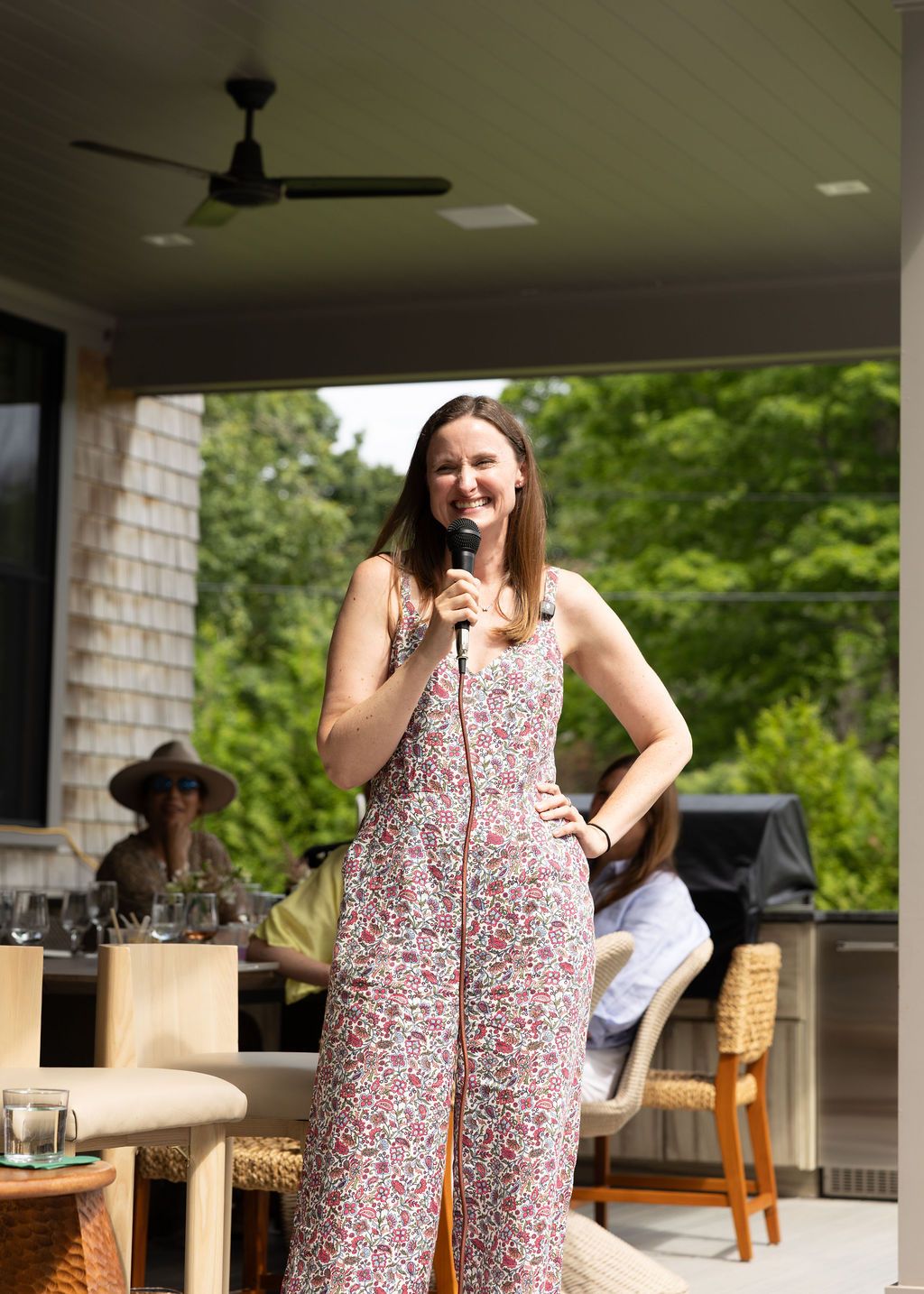
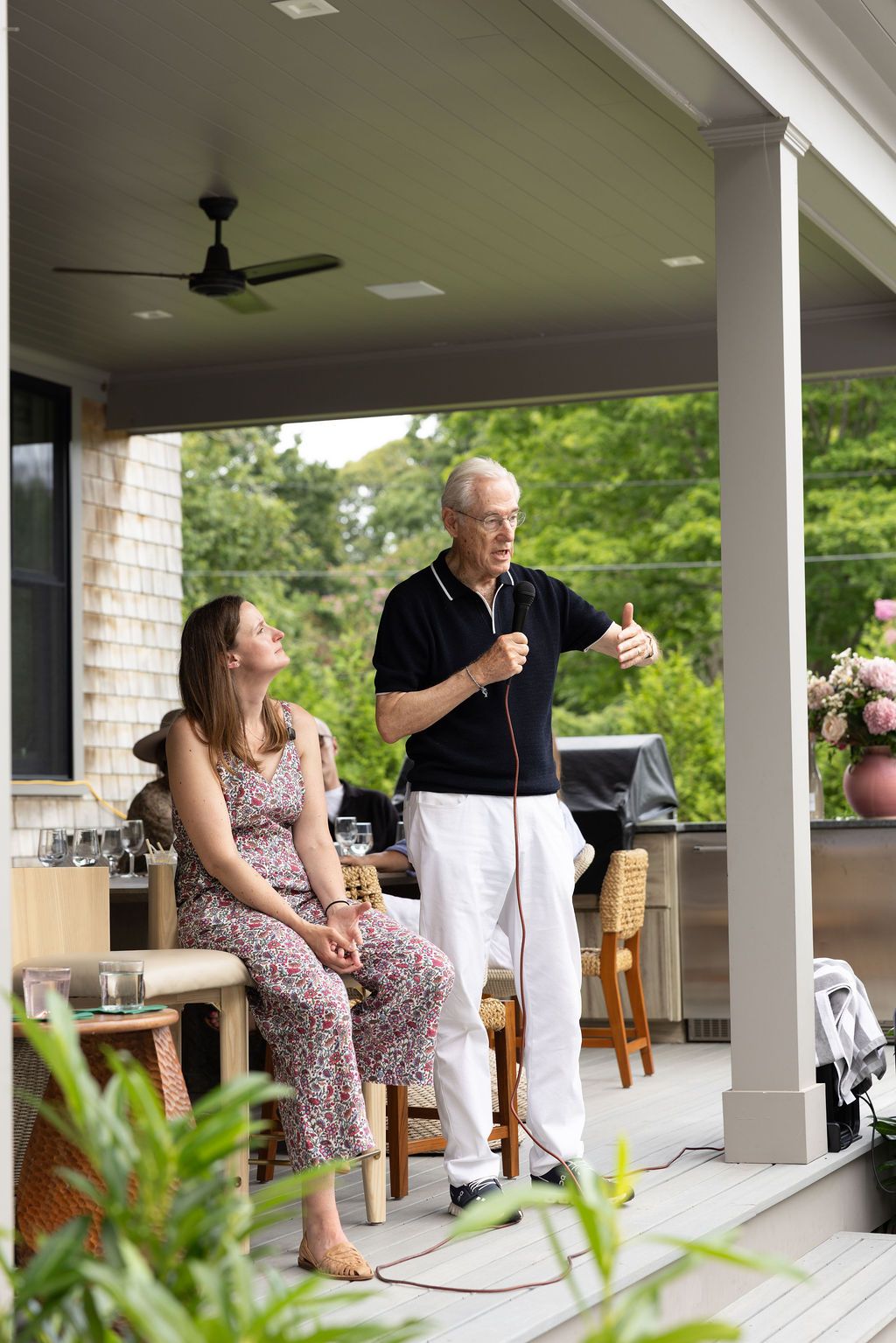
Dr. Claire Clelland and George Vradenburg at the Beautiful Brain lunch.
Three studies, what they found, and what they mean for you.
Some Alzheimer’s-related changes may begin decades before symptoms. SO WHAT?Midlife is a window to pay attention to brain health. No single marker predicts your future. The study ›
In 43 cognitively normal women ages 40–60, brain glucose metabolism was lower in Alzheimer’s-vulnerable regions during and after the menopause transition. SO WHAT?Women’s midlife health is brain health, and research should be designed around women. This was a small study. PLOS One ›
Menopause-related blood-protein patterns were linked to less favorable cognitive outcomes later in life. Thanks to the Ann S. Bowers Women’s Brain Health Initiative (@bowers_wbhi) for sharing it. SO WHAT?These signals could one day help flag risk sooner. For now they are associations, not a test for you. Nature Medicine ›
Be part of the science · Launching this week
This week, the study’s first participant cuts the ribbon at UCSF. It comes from the same Ann S. Bowers Women’s Brain Health Initiative behind the protein study above, led by Dr. Emily Jacobs. It aims to be one of the most detailed studies of brain health and menopause in the US to date, following women across the menopause transition with brain imaging, blood-based biology, cognitive assessments and wearable technology.
Why it matters: for decades, women’s midlife brains were barely studied. This is research designed around women, and it needs women to take part.
Joining the registry lets the research team contact you about studies you may be eligible for. You decide later whether to take part.
The policy / Washington
The House Ways and Means Committee vote to advance the revised ASAP Act (H.R. 6130) on September 16.
A big week for Alzheimer’s early detection. Two bills attack it from both ends: cognitive screening in every Medicare annual wellness visit (the CHANGE Act), and Medicare coverage for blood-based dementia tests (the ASAP Act). At the UsAgainstAlzheimer’s World Alzheimer’s Month reception in DC, families made the case for early detection and care, and the committee listened. The committee vote · House one-pager
Not law yet, and Medicare coverage has not changed. The CHANGE Act is moving on its own, and its screening goal now also rides inside the revised ASAP Act. If earlier detection becomes available and is right for your family, it can mean more time to plan, get answers and find support.
Ways and Means advanced it 40–0 on Sept. 16; Senate companion introduced. If enacted, eligible blood tests could be covered for earlier dementia detection.
Get involvedUsAgainstAlzheimer’s organizes advocates on early detection. Join their advocacy team ›
If enacted, Medicare wellness visits would include specified cognitive assessment tools. Its screening goal now also lives inside ASAP.
Learn moreRead the bill on Congress.gov · Advocate with UsAgainstAlzheimer’s ›
Paused through Dec. 11 after public comments and advocacy. Researchers warn it could unsettle merit review, long studies and collaboration.
Stay informedAFTD and allied groups are tracking the rule and will share updates if it returns.
Policy watch powered by UsAgainstAlzheimer’s.
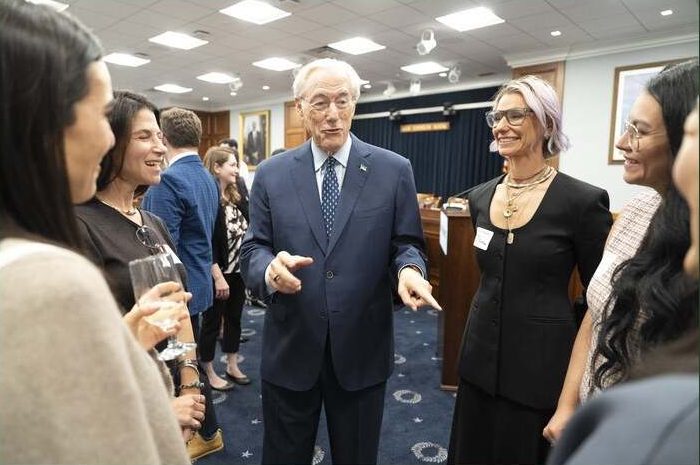
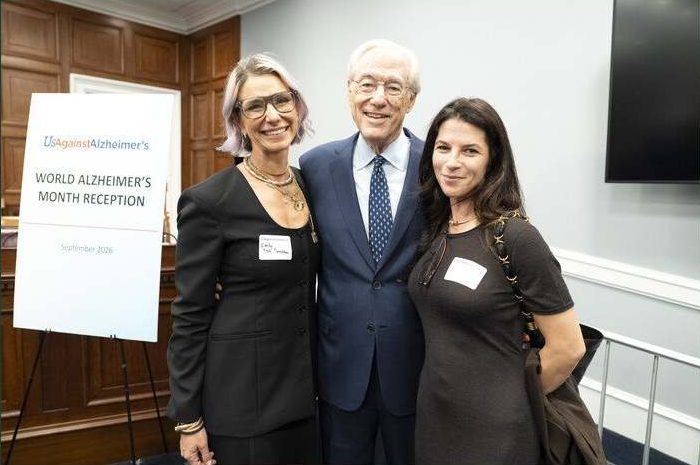
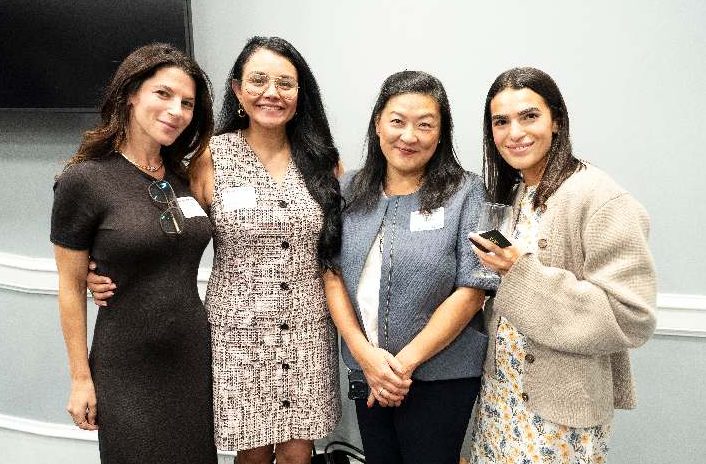
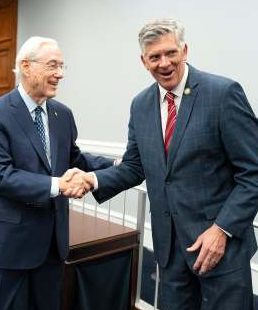
In Washington: George Vradenburg with Valery Maya (NHHRI), Jo Lim (KNEU Health) and Emily Tisch Sussman (She Pivots); Meredith Burns, Valery Maya (National Hispanic Health Institute), Jo Lim (KNEU Health) and Anabelle Tapiero (Northgate Group); George Vradenburg with Rep. Darin LaHood.
From Dr. Chapman’s Center for BrainHealth
The changes behind Alzheimer’s can start in midlife. Dr. Sandra Chapman’s team at the Center for BrainHealth distills protection into five daily habits. They are for now, not someday.
Aim for at least 7 hours.
Step away for five minutes, regularly.
Give one priority your full focus.
Try a new solution to a familiar problem.
Make time for meaningful connection.
Adapted from the Center for BrainHealth five-tip handout. Get the full tip sheet.
“I am no longer accepting the things I cannot change. I am changing the things I cannot accept.”Angela Davis
Put these habits into practice with other women, in partnership with Dr. Sandra Chapman and the Center for BrainHealth. Dates are coming soon, and the interest list hears first.
Join the interest list More details ›The science, the policy and the habits, in one quick read, four times a year. Free.
Yearbook edition
The women (and George) making women’s brain health impossible to ignore, in one-line origin stories.
Founder, The Beautiful Brain
Chief rabble-rouser: turned 15 years of caregiving, the loss of 3 parents and a career in public policy into a movement.
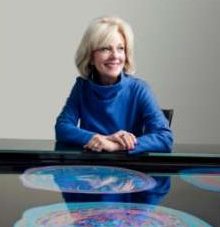
Chief Director, Center for BrainHealth
The brain trainer: proving your brain can get stronger, faster, and last longer.
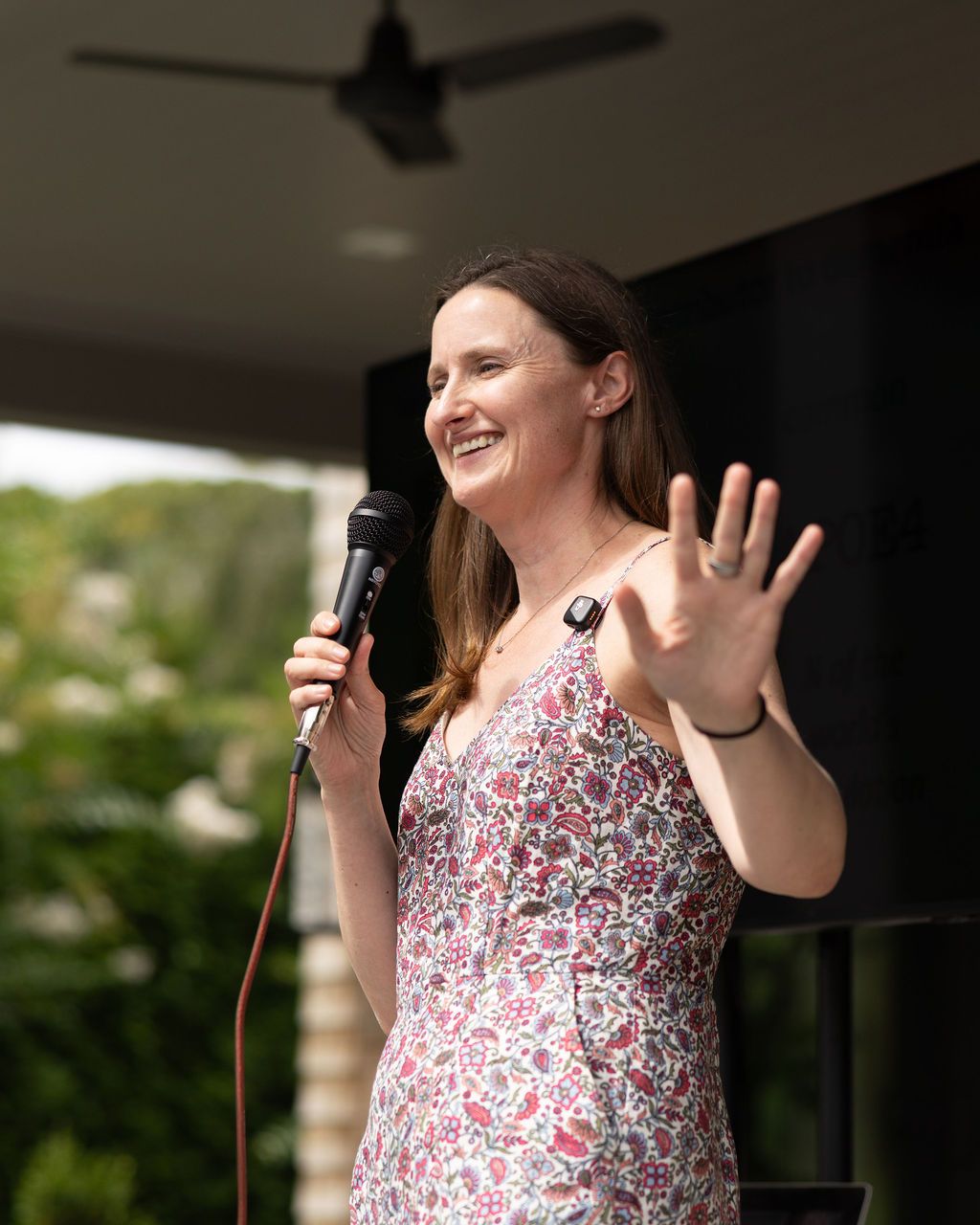
UCSF neurologist-scientist
The decoder: CRISPR-mapping how to deliver treatments safely to the brain.
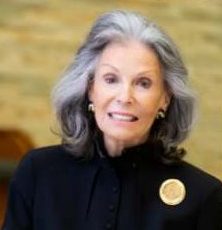
Co-founder, UsAgainstAlzheimer’s and WomenAgainstAlzheimer’s
The force: put women’s brain health and caregiving on the national agenda.
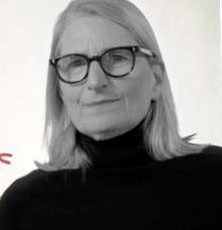
Co-founder and Director of Research, Project ALS
The research engine: funding answers for ALS since day one.
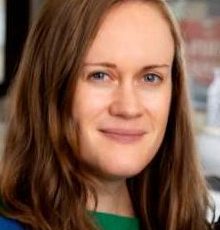
Co-founder and COO, ProJenX
The builder: turning ALS research operations into a biotech launch.
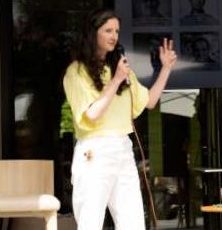
Columbia; Scientific Co-Director, Project ALS Therapeutics Core
The drug developer: leading ALS drug efforts since 2012.
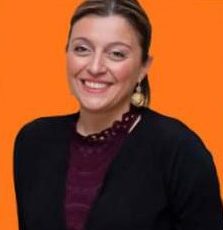
CEO, CaringKind; 100 Women of Impact
The care champion: making sure families are never alone in this.

Chairman, UsAgainstAlzheimer’s; NACD Nonprofit Director of the Year
The policy powerhouse: the guy in the band.
Worth your time
Strategic plans and releases, with the upshot on each so you don’t have to dig.
The archived Advancing Women’s Brain Health session from the 2026 National Alzheimer’s Summit. Emily Jacobs, Judy Pa and others, moderated by HealthyWomen’s Beth Battaglino, dig into why risk differs across a lifetime and what research has to do next.
Watch the session ›SWHR, ACOG and the Women First Research Coalition built a shared framework for a $20 billion, 10-year federal investment in women’s health, launched on Capitol Hill July 15 and backed by 67+ organizations.
Read the strategy ›From the Milken Institute: why promising women’s-health innovations stall for lack of a path to payment. Nine structural barriers, and a plain guide to the three coverage pathways.
Explore the roadmap ›S|GN is a global effort wiring sex and gender differences into Alzheimer’s research through shared data, standard measures and cross-cohort analysis at a scale no single lab can reach.
Nature Aging paper › The consortium ›People doing and supporting the work
George Vradenburg is NACD’s 2026 Nonprofit Director of the Year. It’s men like George who make this work a force to be reckoned with.
Read the announcement ›Emily Tisch Sussman featured The Beautiful Brain in her She Pivots newsletter, with a kind note on why Meredith started it.
Read Emily’s note ›Jessica Soffer wrote about Meredith and The Beautiful Brain Campaign, and what grief and anger can move us to do.
Read Jessica’s post ›Save the dates
Tuesday, Oct 6 · 11:00 AM–12:30 PM ET · Online · Free
Hosted by the NIH Office of Research on Women’s Health. The topic is common data elements for menopause research: agreeing on what every study measures, so results can be compared and combined. Open to anyone who wants to listen in.
Oct 23–24 · Columbia University, NYC
UnRavelled, the play I’m co-producing about creativity and frontotemporal dementia. I’ll be at Friday’s 7:30 PM show. Maybe I’ll see you there? Get tickets

Our first read is one I want to talk about with you: Meryl Comer’s Slow Dancing with a Stranger. Sign up · Order the book
With Dr. Sandra Chapman and the Center for BrainHealth · Dates coming soon
A Beautiful Brain group, in partnership with Dr. Sandra Chapman’s Center for BrainHealth, for women who want to put the brain-health habits in this issue into practice together. Dates, format and details go first to the interest list.
Two ways in
We did it: 49 donors raised $100,455, fully funding Dr. Clelland’s delivery-mapping study. Gifts to The Beautiful Brain go to this research.
Give to The Beautiful BrainStep 2 is the policy push, led by UsAgainstAlzheimer’s: earlier detection for every family and a fairer share of NIH funding for women, now just 3%. Gifts for that work go directly to them. Give to UsAgainstAlzheimer’s ›
First read: Meryl Comer’s Slow Dancing with a Stranger, the NYT bestseller by the Emmy Award-winning reporter.
Sign upYou pick
I know that’s a lot. But these are real steps, and I’m glad we’re taking them together. Thanks for reading our first issue, and for being the kind of people who show up.
Best, Meredith
Send it to one friend who cares about her brain. That’s how this grows.
Forwarded this? Sign up below, or visit The Beautiful Brain.
Get Issue No. 2 in your inbox.